
Long County’s Most Wanted Program
Long County's Sheriff's Office runs an official page labeled Most Wanted. Right now it shows the message "Content unavailable at this time." The controls remain visible, but no entries appear, and the page is a curated public posting rather than the sheriff's internal warrant database. That gap matters. Whether or not the list repopulates, the right move is a direct call to LCSO at 912-545-2118 or to the issuing court, since only those offices can confirm current warrant status. The official Long County Most Wanted page is the single source to watch, and it carries no republished roster of names, photos, dates of birth, addresses, or charges anywhere else.
Long County Interface Controls
The Long County interface carries familiar controls: "Most Wanted," "Sorting by Posting Date," "Descending," and "Page 1." Visitors can filter by Name, Date, or Arrested, and sort newest-to-oldest or the reverse. Those labels only shape how the posting is viewed. They say nothing about a warrant's issue date, its legal status, or how any Long County court case ended.
- Posting date
- The date associated with publication on the page, not necessarily the warrant’s issue date.
- Arrested control
- An interface filter, not a court recall order or proof of final disposition.
- Page number
- A navigation aid that says nothing about whether the roster is complete.
- Content unavailable
- The observed empty state, not proof that Long County had no active warrants.
How the Most Wanted Lists Work
A most-wanted page is a selection, not a full record. The Long County Sheriff's Office publishes no selection criteria, update schedule, retention rules, warrant count, or clearance rate, so there is no way to tell how often the page changes or whether every active warrant gets posted. Behind the scenes the work is broader: LCSO enters received warrants into a local database and runs them through GCIC and NCIC procedures. Georgia's own guidance on existing warrants sends the public to the local sheriff, because the state has no public warrant database. So the correct Long County route is a phone call to the sheriff or a court inquiry, never a conclusion drawn from a blank or partial Most Wanted page. The Long County outstanding warrants page spells out that wider distinction.
Long County Posting Gaps Matter
A "Content unavailable" message deserves to be stated plainly. It is a real access condition, not an invitation for a commercial site to invent a replacement roster. Long County publishes no annual active-warrant total, warrant-age report, recurring roundup, amnesty event, reward program, or warrant clinic, and none of those should be assumed from a neighboring county's setup. Update dates call for the same care. A page can be revisited to see whether entries return, which fields remain, and whether the sheriff ever announces a cadence. But a live phone answer from the sheriff or a court record still beats a cached public page every time, and a quiet or empty list settles nothing either way about Long County warrants.
Reporting a Tip Safely
LCSO posts an official crime-tip form with message and email fields and a 20 MB attachment limit. The form itself warns it is not monitored continuously, so emergencies belong elsewhere. Long County advertises no Crime Stoppers partnership, reward amount, reward schedule, or promise of payment. Assume no reward unless the sheriff says so directly.
Safe tip route: Use the official LCSO crime-tip form for non-emergency information, and call 911 when immediate help is needed.
Never approach, contact, follow, or try to detain someone because of a posting. Pass what you know to law enforcement and let Long County officers take it from there. Hold sensitive personal details out of an ordinary contact form unless the sheriff requests them through a secure process.
Correcting a Long County Posting
Long County's own Most Wanted page carries a disclaimer worth reading. Addresses, it warns, can be wrong because of improper reporting or errors in public records. So treat a listing as a lead, nothing more. If something looks off, the sheriff directs error reports to the Long County Sheriff's Office itself. A good correction names the page, the suspected error, and any official document that backs the request. It does not republish the person's information anywhere else. Call 912-545-2118, or use the sheriff's published contact and records channel. Never work out an error by contacting the person shown or passing the page around.
Most Wanted Lists vs Active Warrants
The two can overlap, but a most-wanted posting and an active warrant are not the same thing. Long County's public page is curated; its real warrant work runs through nonpublic law-enforcement systems and court records.
| Question | Most Wanted List | Active Warrant Record |
|---|---|---|
| Purpose | Selected public posting by the sheriff | Operational or court confirmation of an executable order |
| Completeness | Not represented as a full ledger | Depends on the issuing or holding custodian |
| Key date | May show a posting date | May include issue, service, or recall dates |
| Status check | Cannot alone confirm current status | Must be confirmed by LCSO or the issuing court |
| Public access | Official web interface when available | Phone, court, or records request as appropriate |
An "Arrested" filter is not a recall order. A name vanishing from the public page proves nothing about the underlying Long County warrant either. Only the issuing court can recall or clear it.
Most Wanted Is Not Inmate Status
Most Wanted and current-inmate tools sit in separate spots on the sheriff's home page. That split matters here. Long County runs no county jail of its own, so people arrested on Long County charges are often held in facilities in neighboring counties. Call LCSO first. The sheriff can usually say which facility holds the person and which agency controls any hold. The holding facility itself may not be able to explain a Long County warrant, let alone recall one. Bond is set by the court with authority over the case, not the sheriff. These split roles are one more reason a Most Wanted posting is not a custody locator or a full case record.
If You Think You Are on a List
A missing entry proves little. Neither does an old copy of the page. Call the Long County Sheriff's Office at 912-545-2118 and ask whether it holds or issued the warrant. Have the full legal name, date of birth, court name, and case or incident number ready if known. Georgia's official guidance warns that asking in person can end in custody. So phone ahead before visiting the office at 6 East Academy Street.
- Preserve any notice without reposting it publicly.
- Contact LCSO and identify the likely Long County court.
- Ask what current surrender or confirmation procedure applies.
- Consider speaking with an attorney before appearing in person.
- Request written court proof of any recall, release, or disposition.
Do not approach anyone: Whether the concern is your own record or a relative’s, use the sheriff, court, and legal counsel for safe next steps.
Federal Warrants Use Another Lane
Long County sits in the Southern District of Georgia. Federal cases and fugitive work still run on their own track, apart from the sheriff's public Most Wanted page. PACER is the official federal case-search route. The U.S. Marshals Service names the Southeast Regional Fugitive Task Force as a multi-agency program. Neither answers county warrant status. The official PACER fee information spells out federal document access and its fee rules.
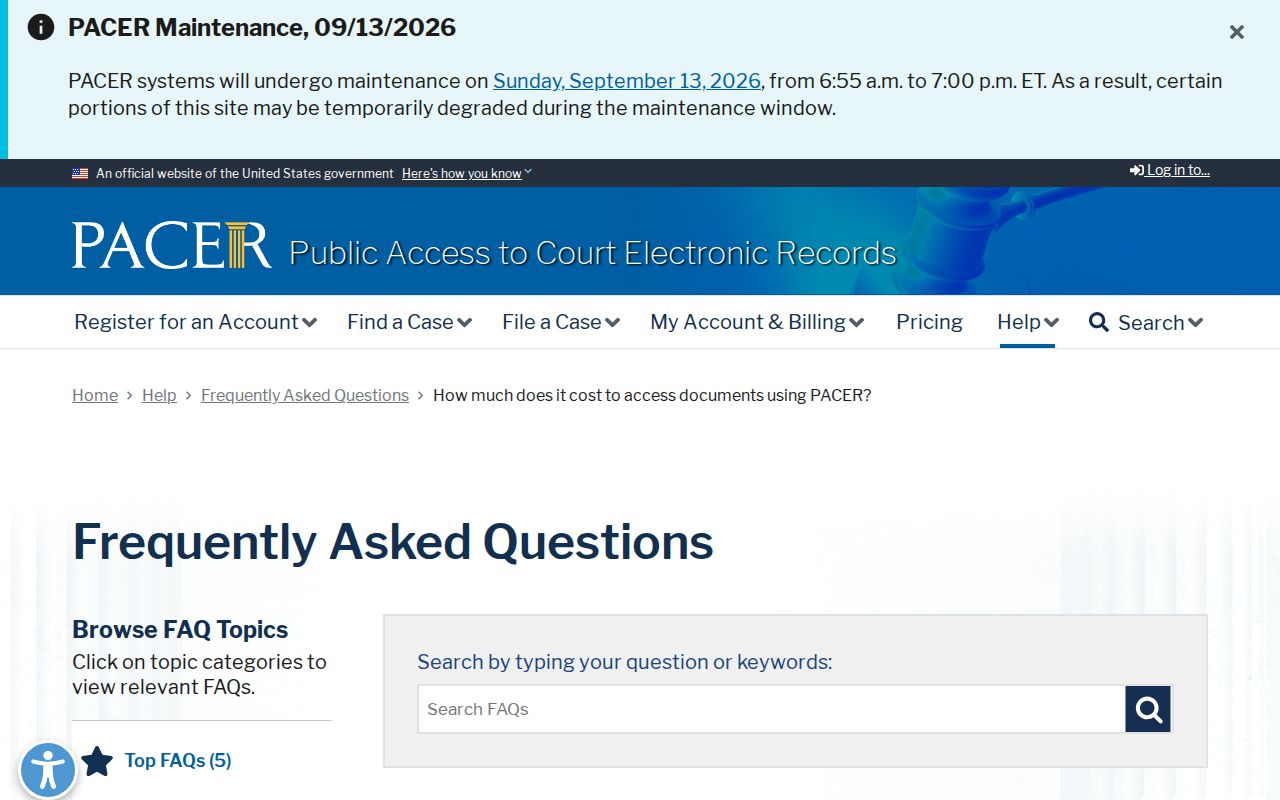
For federal process, the right door is a federal clerk or the U.S. Marshals Service district office, never the county page. Long County questions stay in Long County. A free archive such as CourtListener can help fill in background on a case. It is not the official keeper of current status. County, state, and federal work each stay in their own lane. Task-force work never turns a federal warrant into a Long County Most Wanted entry, no matter which agencies join. Nor does a Long County posting become a PACER record. Start with the body that issued or maintains the process. Then verify the current record through that body's official clerk or law-enforcement contact. The same discipline holds when the LCSO page is down. Ask Long County warrant questions of LCSO or the issuing court, since they hold the record. Skip the commercial lists, cached rosters, and social-media posts. A missing page is a publication problem. It is not a change in legal status.
A posting date is not necessarily the date a warrant issued. An Arrested filter is not a recall order. Read both with care. If you spot an error, name the page and the suspected mistake without spreading the person's details. The sheriff's accuracy disclaimer stays attached to the list's limits, and LCSO directs corrections to the Long County Sheriff's Office. The page posts no reward amount. It sets no recurring tip cadence either. So read nothing into the crime-tip form.