
Long County Arrest Warrants Explained
Long County arrest warrants begin with judicial authorization under the applicable criminal process. Magistrate Court handles arrest and search warrants, warrant-application hearings, preliminary hearings, and bail where authority is not reserved elsewhere. State Court holds authorized arrest and search warrant functions for matters within its jurisdiction. Superior Court serves as the general-jurisdiction felony court. Each court can be the issuing court, so a warrant check starts by knowing which one signed the order. The public sheriff page describes criminal arrest warrants rather than a complete roster of everyone sought. A warrant entry can exist in an operational system yet never appear on the curated Most Wanted page. An old public posting, on the other hand, cannot prove an arrest warrant is still active. Only the Long County Sheriff's Office or the issuing court can confirm whether a warrant is active, served, recalled, or released.
How LCSO Processes Arrest Warrants
The Long County warrant workflow is unusually specific. When LCSO receives an arrest warrant, staff process it, enter it in the sheriff's computer database, and complete GCIC and NCIC procedures. A local address gets assigned to patrol for attempted service. Investigators may work leads from there. Warrants for people located elsewhere can go by fax or mail to another agency. GCIC and NCIC are criminal-justice systems, not public self-service sites. That role explains why the Sheriff's Office may hold current execution data that a public court screen does not show. It also explains why a case docket alone is not a live Long County arrest warrant result. For real-time status, ask the sheriff, not the docket.
Inside a Long County Arrest Warrant
Long County publishes no sample arrest warrant for public viewing. An existing warrant or its related file may identify the issuing court, the issue date, the alleged offense, and the subject. It may also show service or return information, a bond direction, and any later recall or release. Some of those fields sit in separate records rather than on the warrant itself.
- Issuing authority
- The judge or court that authorized the warrant
- Warrant status
- A current term confirmed by the custodian, not inferred from age
- Service record
- The sheriff’s attempt, execution, return, or agency transfer information
- Case record
- The clerk’s docket, hearing, disposition, and later court order
- Bond information
- The judicial body’s terms and the sheriff’s accepted processing route
Quote any number or case event exactly as an official custodian supplies it. Long County sources support no sample warrant number, so do not guess at one.
Long County Arrest Warrant Custodians
An interagency case can create records in more than one place. A February 2025 GBI release described a Long County investigation requested by LCSO that later involved GBI, DNR, the FBI, and the Georgia Attorney General's Office. That example matters for routing, not for republishing private names or allegations. Search-warrant documents, investigative reports, arrest records, and court filings can each have a different custodian. So state the agency and document type when you request records. Do not simply ask LCSO for every record about a matter. The Sheriff's Office may hold intake, execution, transport, or booking material. The Clerk of State or Superior Court keeps the filed case and its outcome. A state or federal partner may hold its own investigative records in Long County matters.
Serving Arrest Warrants in Long County
LCSO's Warrants Division processes and executes criminal arrest warrants across Long County and assists nearby law-enforcement agencies. After a patrol assignment or an outside-agency lead produces an arrest, the sheriff's workflow moves through transport, booking, bond, and court notice. The Long County department directory places sheriff and court contacts in one county source.
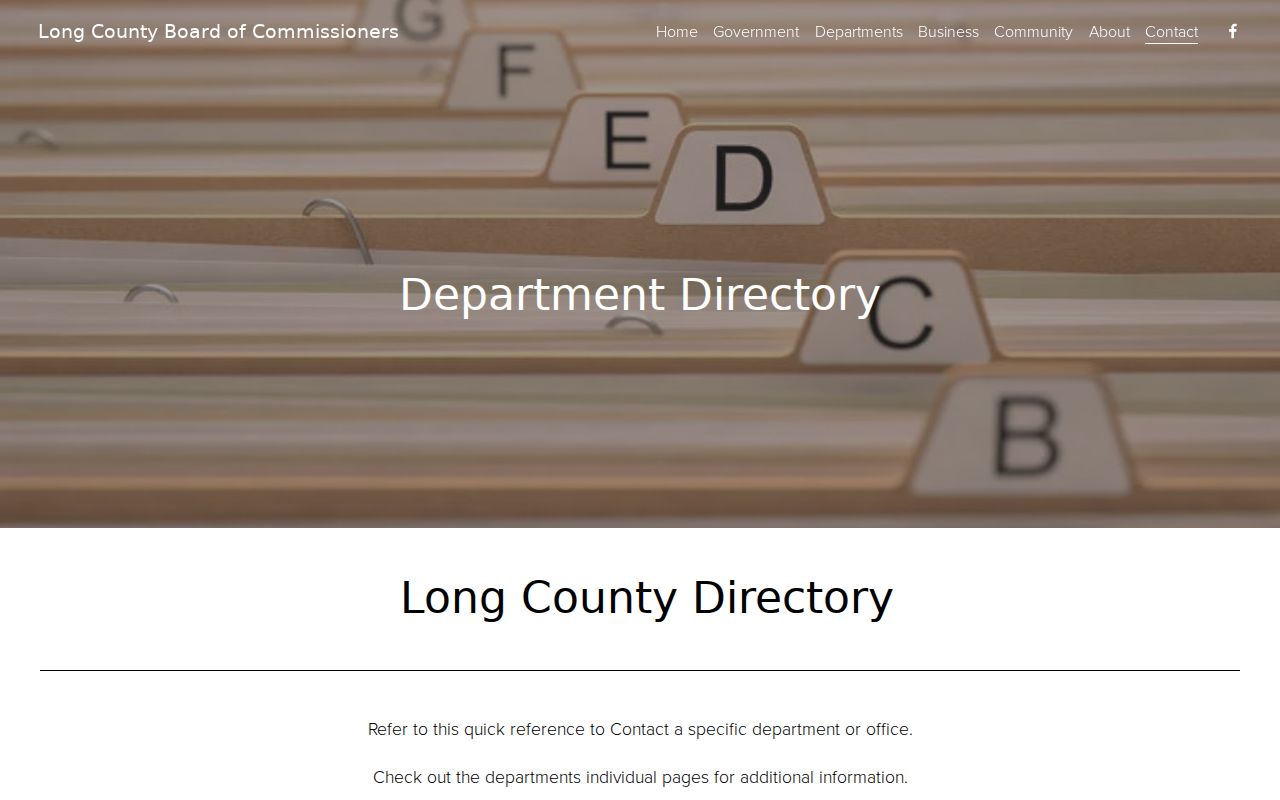
That official directory separates law-enforcement service in Long County from the court and clerk functions that control the case and its judicial orders.
Long County Has No County Jail
Long County operates no jail of its own. The sheriff says arrested people are housed in surrounding county facilities, and LCSO transports prisoners across Georgia. The place of confinement may not be the office that holds, explains, or can act on a Long County arrest warrant. A family member seeking custody information should call LCSO first. Ask which facility houses the person, which agency holds any detainer, and which court set bond. The official jail and bonding page explains the surrounding-facility arrangement.
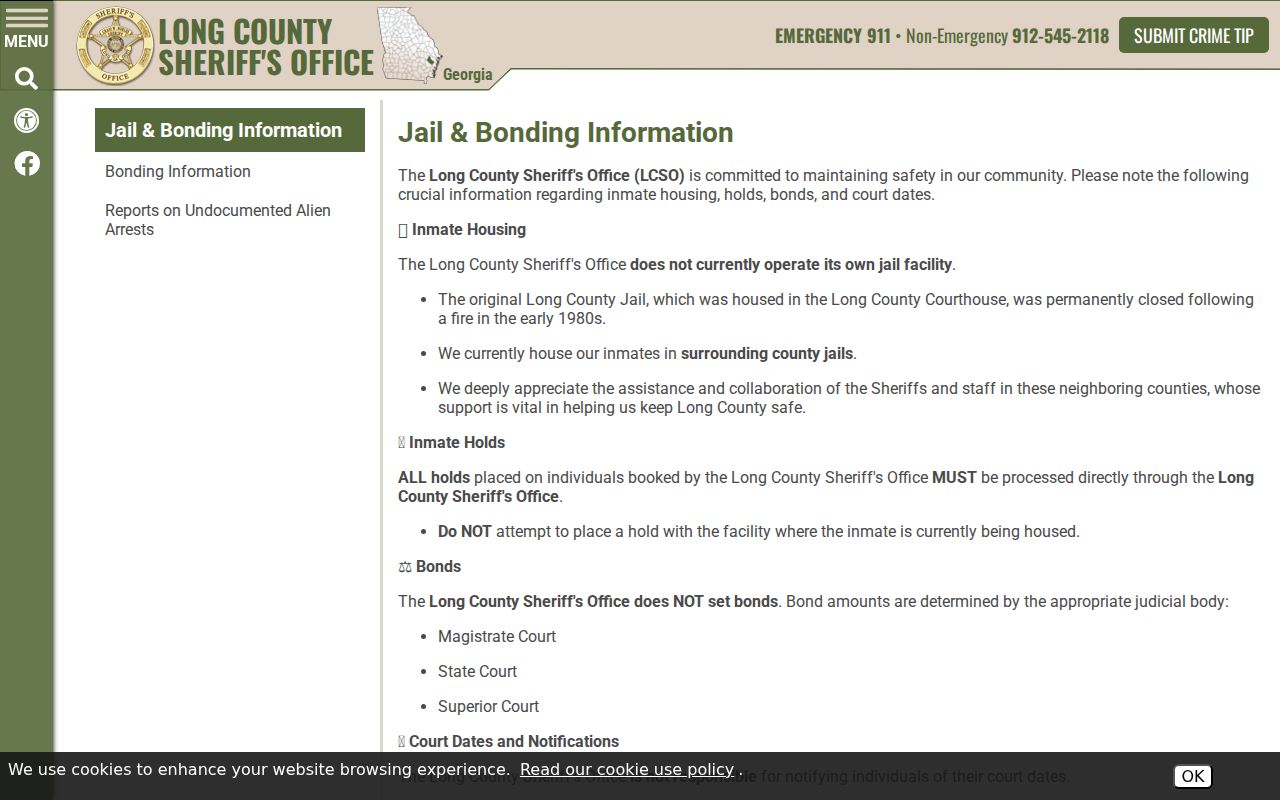
A neighboring detention facility may house the person, the sheriff's page notes, while LCSO still processes its own hold in Long County.
Comparing Arrest, Summons, and Bench Warrants
Arrest warrants, summonses, and bench warrants are different instruments. Each begins differently and calls for a different question to the custodian in Long County.
| Process | What it does | First contact |
|---|---|---|
| Arrest warrant | Authorizes law enforcement to take a person into custody | Sheriff and issuing court |
| Summons | Directs a person to respond or appear without itself proving an arrest order | Court named on the document |
| Bench warrant or capias | May follow a missed duty in an existing case | Issuing court clerk |
| Search warrant | Authorizes a search and may be restricted during an investigation | Issuing court or record custodian |
The Long County bench warrant search route adds detail on missed appearances and court-controlled recall.
Bond After a Long County Arrest
The Long County Sheriff's Office does not set bond. That job belongs to the judicial body handling the case, whether Magistrate, State, or Superior Court. The sheriff recognizes four routes: cash, in-county property, out-of-county property, and approved bail-bond companies. Cash payments can be made by cash, money order, or cashier's check payable to Long County Sheriff's Office. No change is made. In-county property brings its own rules. Every party must show identification, prove the property's value, and pay a separate exact-cash $20 state-required bond fee. Out-of-county property needs approval from both sheriffs. The listed bail-bond companies charge fees of 12 to 15 percent, though current approval, availability, and price should be confirmed with them. Those figures cover bond processing, not a warrant-search charge.
If There’s an Arrest Warrant for You
Call ahead when you can. The Long County Sheriff's Office non-emergency line is 912-545-2118, and the office sits at 6 East Academy Street in Ludowici. Georgia's statewide guidance warns that an in-person inquiry may lead to custody. Turning yourself in is allowed. The sheriff says a person who knows of a warrant may turn themselves in at the office, and advance contact can clarify identification, booking, transport, bond, and court steps.
- Gather a full legal name, date of birth, court, and any case or incident number.
- Call LCSO and ask whether Long County is the issuing or holding agency.
- Ask which court controls the case and bond, and where booking may occur.
- Consider speaking with an attorney before an in-person surrender.
- Keep court documentation of any later recall, release, or disposition.
Do not rely on a roster: A public list may be incomplete or stale, while only the sheriff or issuing court can confirm current status.
Long County Arrest Warrant Records Access
A written Open Records request is the way to seek existing LCSO material. It is not an instant warrant check. Email records@longcountyso.org, mail LCSO at P.O. Box 368, Ludowici, GA 31316, or call 912-545-2118. Spell out the record type, agency, date range, case or incident number, and the electronic format you want. If a Long County court holds the item, ask LCSO to name the other custodian. O.C.G.A. §§ 50-18-70 through 50-18-72 set the public-record framework. The office answers within three business days when practicable. Fees can follow. Search, retrieval, redaction, and production after the first 15 minutes may be charged. Denied material arrives with cited authority. Pending investigations, juvenile information, medical data, and protected information can stay restricted. Even a narrow request may return only the sheriff's piece of a bigger file. A Long County arrest file can have several parts: the warrant application or affidavit, the issued warrant, service return, booking record, bond record, filed criminal case, and any later recall or disposition. The Sheriff's Office may hold execution and transport material while the clerk keeps the docket and judicial orders. Ask for the exact component.
Long County has no county jail, and that splits records further. A neighboring facility can confirm its custody record. It may not control LCSO's hold, the issuing court's warrant, or the bond order. Transfers change the picture. After one, call LCSO to identify the facility and hold agency, then use the relevant clerk for case status. Request redaction rather than an all-or-nothing response. Ask for the statutory basis behind withheld portions. Georgia law does not require an agency to create a new warrant report or compilation it does not already maintain. The Ludowici payment portal marks one more boundary. Its Traffic Tickets option handles payment for city citations. It is not a verified Long County arrest-warrant search.
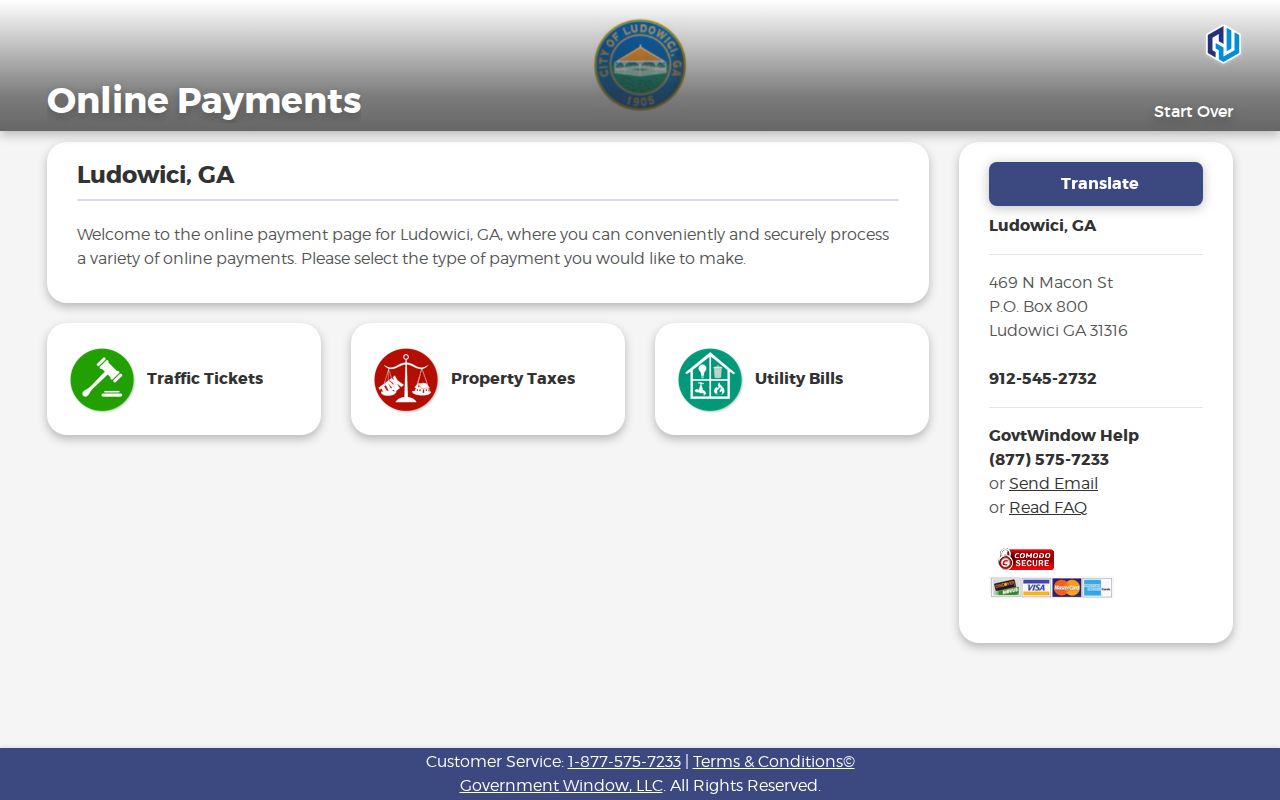
The portal pays city citations, not Long County warrants.